
If you’re installing a new water system, one question almost always comes up: Borehole pump vs surface pump?
The answer is not about which pump is “better.”
It’s about which pump is correct for your water source and application.
Let’s break it down in simple, practical terms so you can make the right decision.
What Is a Borehole Pump?


4
A borehole pump (also called a submersible borehole pump) is installed inside the borehole, below the water level.
It pushes water up to the surface.
Key features:
- Installed underwater
- Designed for deep wells
- Long, narrow design (usually 4” or 6”)
- Very efficient for deep lifting
When a Borehole Pump Is the Best Choice
A borehole pump is ideal when:
- Water level is deeper than 8 metres
- You need high pressure for irrigation
- You want quiet operation
- You want better efficiency for deep water
Because it pushes water from below, it avoids suction limitations.
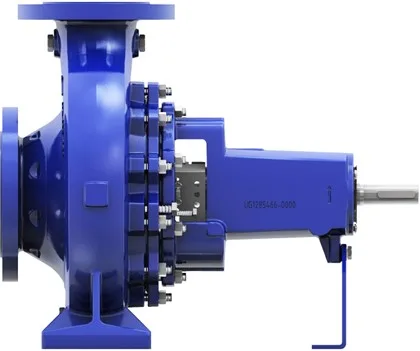
What Is a Surface Pump?


4
A surface pump sits above ground, near the water source.
It pulls water through suction and pushes it into your system.
Key features:
- Installed outside the water
- Easier to access and service
- Ideal for dams, rivers or tanks
- Limited suction depth (usually ±7–8 metres max)
The Biggest Borehole Pump vs Surface Pump Difference: Depth Matters
Here’s the rule:
If your water source is deeper than 8 metres →
A surface pump will struggle.
That’s when a borehole pump becomes necessary.
Surface pumps rely on atmospheric pressure to pull water. Physics limits this to around 7–8 metres under normal conditions.
Submersible borehole pumps don’t have that problem — they push from below.
Borehole Pump vs Surface Pump: Cost Comparison
Borehole Pump
Higher upfront cost
More specialised installation
Less frequent maintenance access
However:
- Better efficiency for deep water
- Lower priming issues
- Stable performance
Surface Pump
Lower upfront cost
Easier installation
Easier maintenance access
However:
- Cannot lift deep water
- Can lose prime
- Slightly noisier
Efficiency and Power Consumption, Borehole Pump vs Surface Pump
For shallow water (less than 5–6 metres):
A surface pump can be very efficient and cost-effective.
For deeper water:
A borehole pump is far more efficient because it pushes water instead of pulling it.
Choosing the wrong pump increases electricity costs every month.
Maintenance Differences
Surface pump:
- Easy to inspect
- Easy to replace seals
- Easy motor access
Borehole pump:
- Must be removed from borehole for service
- Requires lifting equipment
- Typically longer lifespan when correctly installed
So… Which Pump Is Better? Borehole Pump vs Surface Pump
It depends on three main factors:
- Depth of water
- Required flow rate
- Required pressure
Choose a Borehole Pump If:
- Your water level is deeper than 8 metres
- You are pumping from a borehole
- You need consistent irrigation pressure
Choose a Surface Pump If:
- You are pumping from a dam, tank or river
- Suction lift is less than 7 metres
- You want easier access for maintenance
Common Mistake to Avoid With Borehole Pump vs Surface Pump
Many people try to use a surface pump on a deep borehole to save money.
The result:
- Pump runs dry
- Pressure fluctuates
- Motor overheats
- System underperforms
Correct pump selection saves money long term.
Frequently Asked Questions
Can I use a surface pump on a borehole?
Only if the water level is within 7–8 metres of the pump.
Is a borehole pump more expensive?
Yes initially, but it may save electricity and performance issues in deep applications.
Which pump is better for irrigation?
For deep boreholes, a borehole pump is better. For dams and tanks, a surface pump is usually ideal.
Final Thoughts on Borehole Pump vs Surface Pump
The borehole pump vs surface pump decision is not about brand or price.
It is about physics.
Choose based on:
- Water depth
- System pressure
- Flow requirements
When correctly selected:
- Your system runs efficiently
- Electricity costs stay controlled
- Equipment lasts longer
If you are unsure which pump suits your application, contact our technical team with your water depth, required flow and pressure. We’ll help you select the right solution.