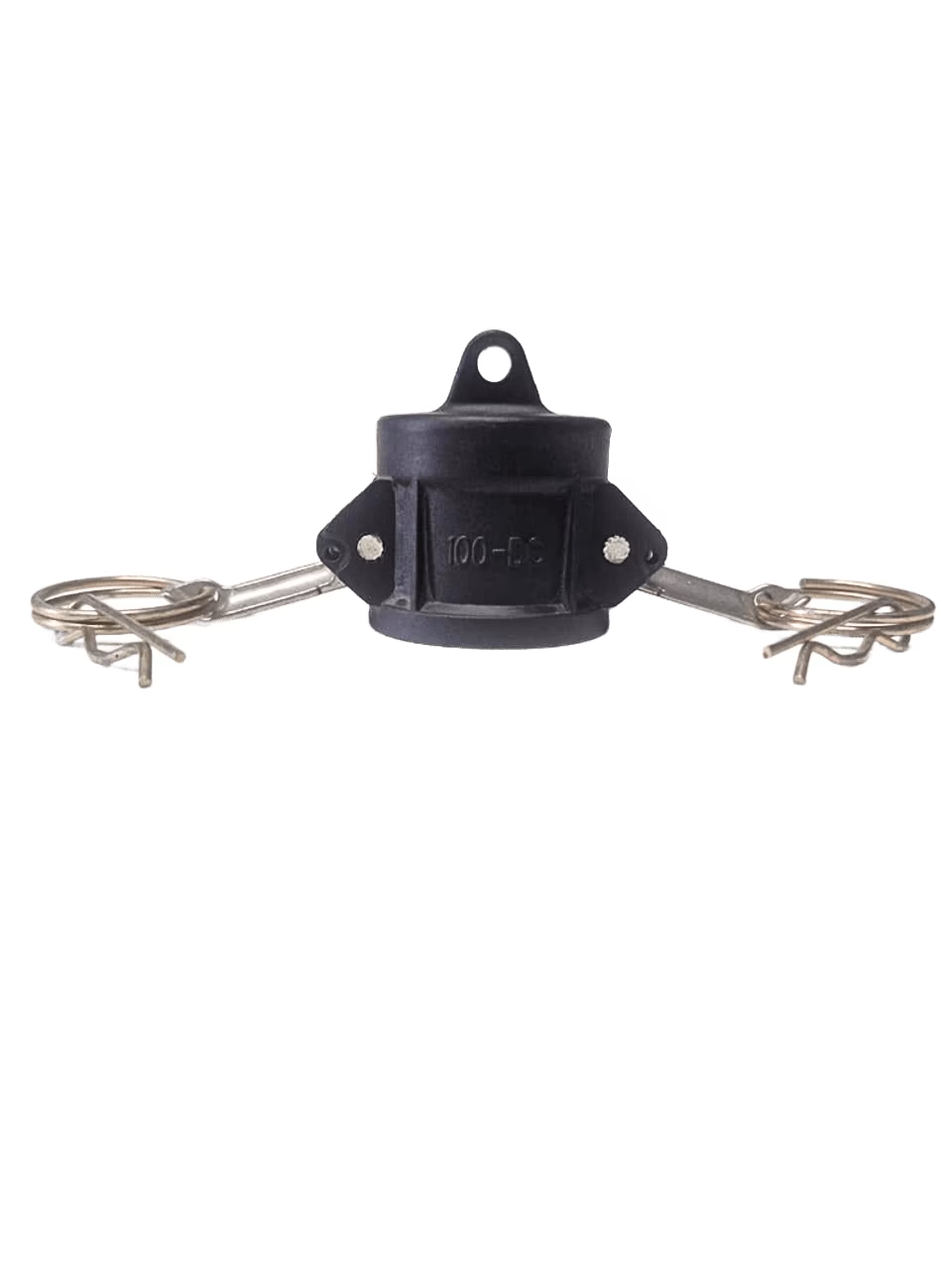
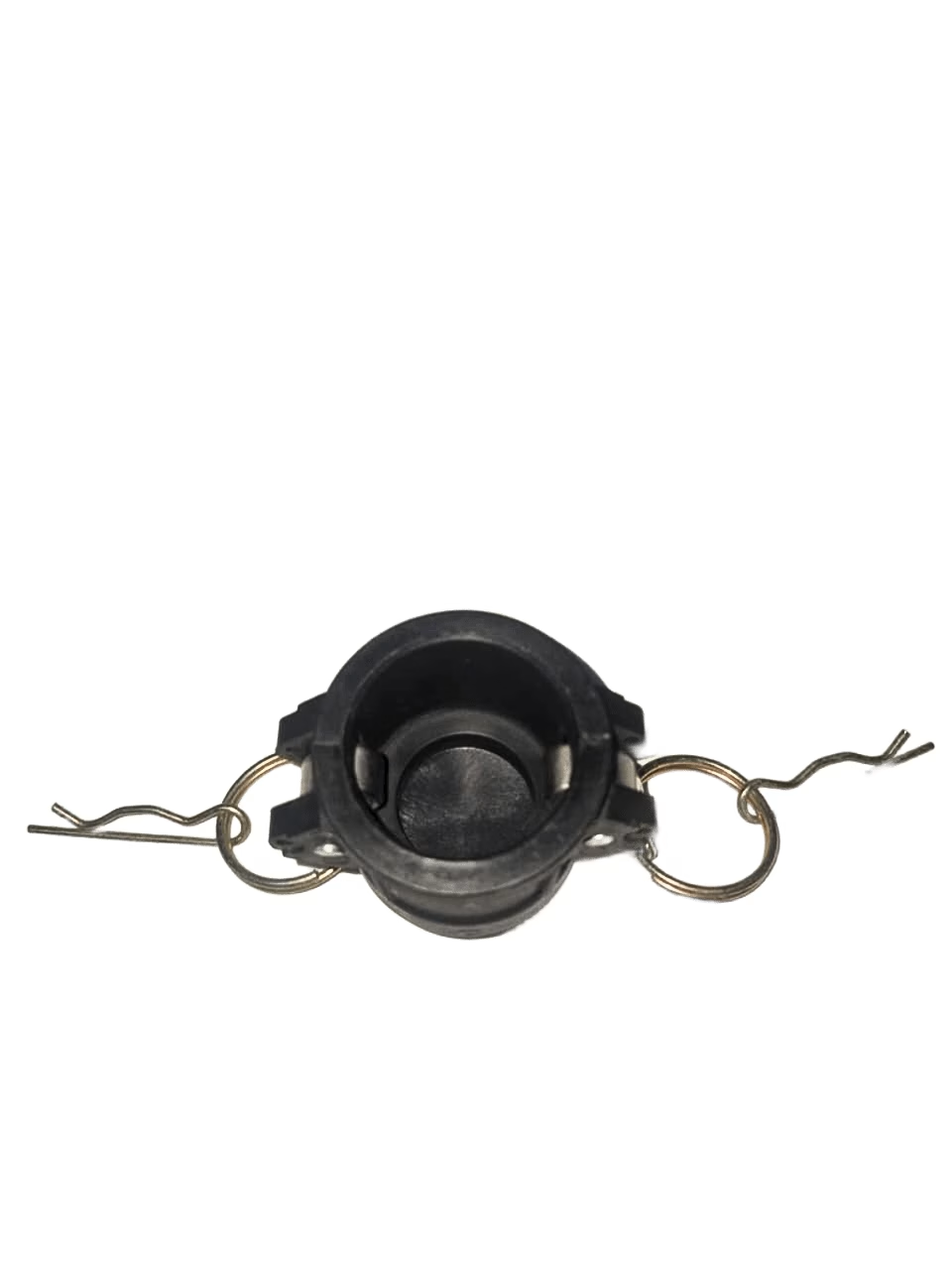
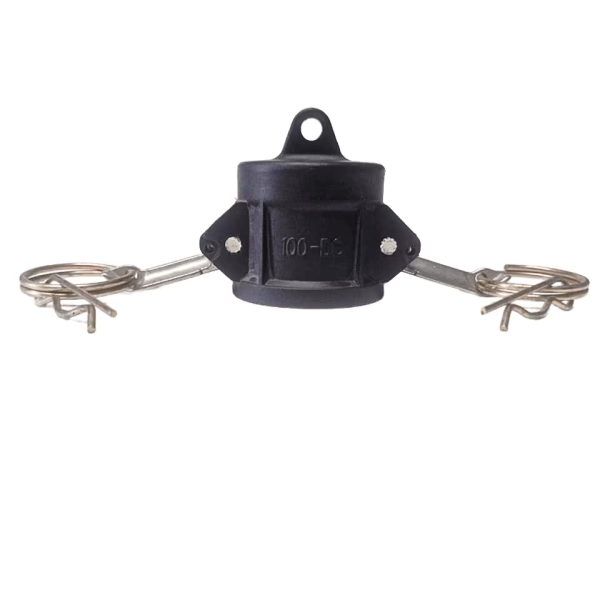


What Is a Camlock Fitting?
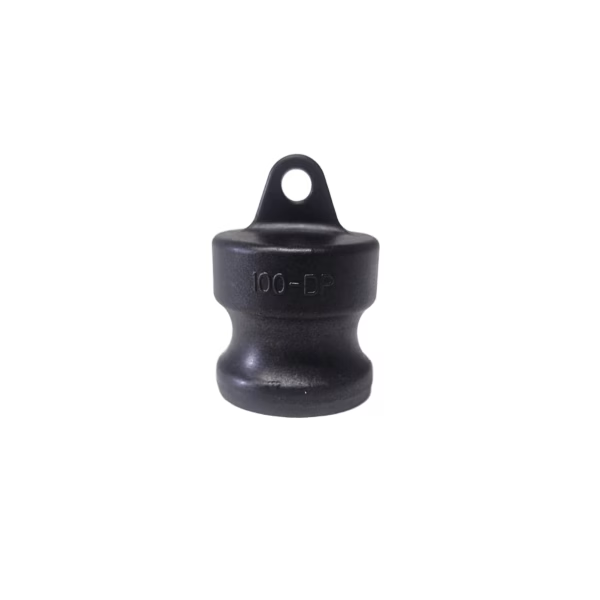
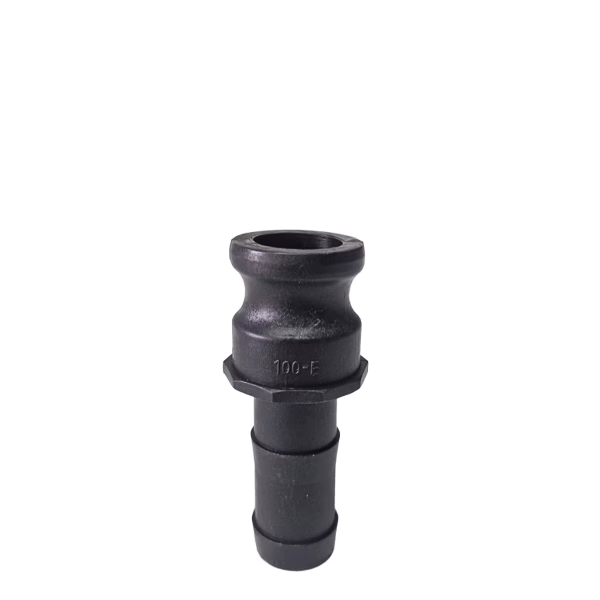
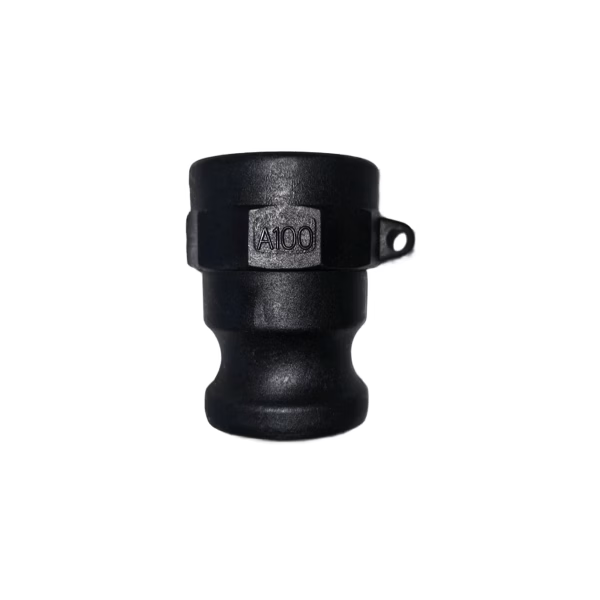
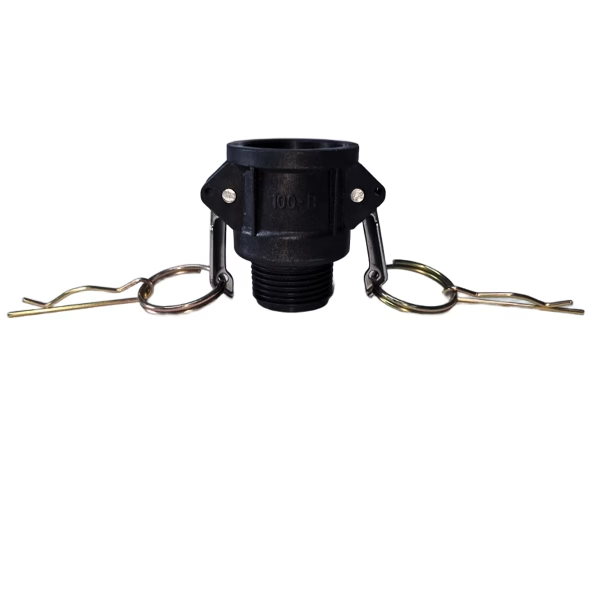
A camlock fitting, also known as a cam and groove coupling or quick coupling, connects hoses or pipes so materials can move easily from one point to another. It is corrosion resistant, so it won’t rust easily when exposed to water or chemicals. As a result, it lasts longer and continues to work reliably, even in tough conditions.
Ease of Use and Applications
It doesn’t require any tools, so you can connect and disconnect it quickly and easily. This helps save time and reduces labor compared to traditional methods. In addition, camlock fittings are cost-effective and widely used in industries such as agriculture, manufacturing, oil and gas, chemical processing, and pharmaceuticals.
Performance in Harsh Environments
Because these fittings do not use threads, they are less likely to get damaged or clogged with dirt. Therefore, they perform well in dirty or harsh environments. They are also ideal for applications where hoses need to be changed often, such as petroleum transfer or industrial filtration systems.
How Camlock Fittings Work
A camlock system includes a male adapter and a female coupler. First, extend the coupler handles outward and insert the correct size adapter. Then, close both handles at the same time to lock the connection securely. This creates an even seal, so the connection stays tight and leak-proof during use. To disconnect, simply reverse the process after the system has been depressurized.
Choosing the Right Fitting
To choose the correct fitting, follow the STAMPED method: Size, Temperature, Application, Material, Pressure, End connections, and Delivery needs. This helps ensure the fitting matches your specific requirements.
Limitations and Key Benefits
Pressure ratings apply under standard conditions, so it is important to check that the fitting is suitable for your media. If used incorrectly, it may cause leaks or damage. However, when used properly, camlock fittings offer quick operation, strong safety, long-lasting durability, and excellent versatility. As a result, they remain a reliable choice for transferring liquids, powders, and gases across many industries.