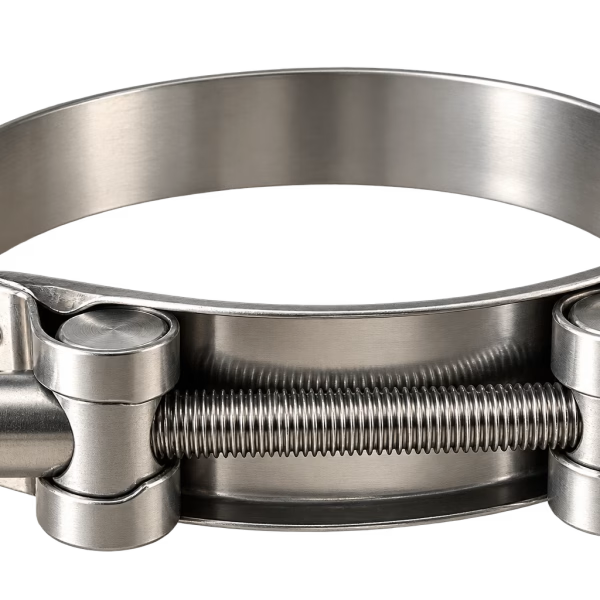


Zinc Sacrificial Anode – Corrosion Protection for Borehole Pumps
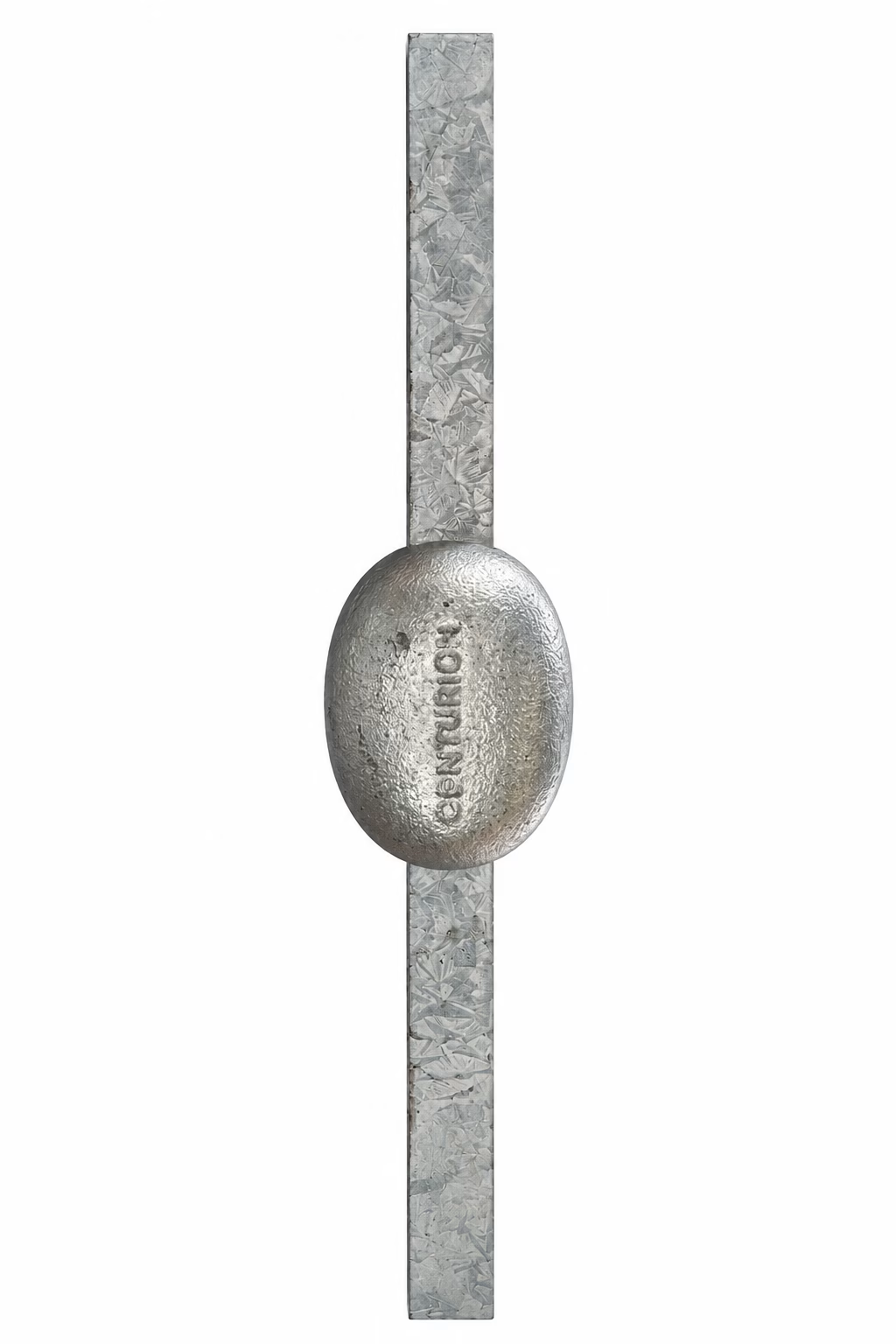
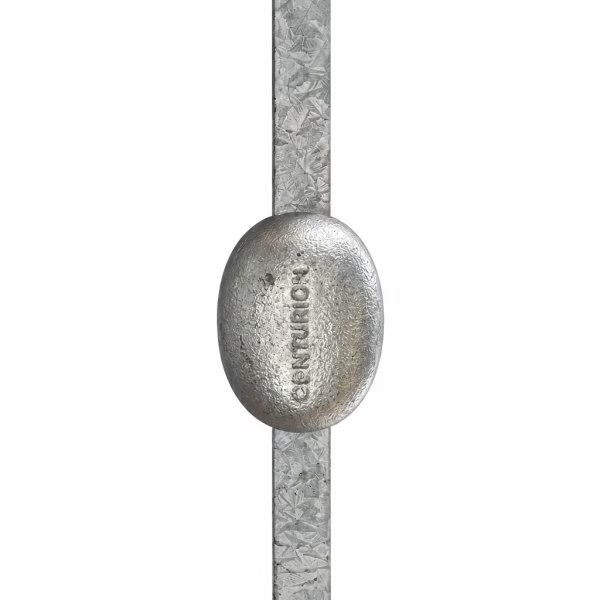
Protect your borehole pump from corrosion and costly damage with a Zinc Sacrificial Anode. This practical component provides extra protection when pumping water that may harm metal parts. With correct selection and installation, it can also help extend the life of suitable pump components. As a result, you may reduce premature metal damage, expensive repairs and replacement costs.
What Is a Zinc Sacrificial Anode?
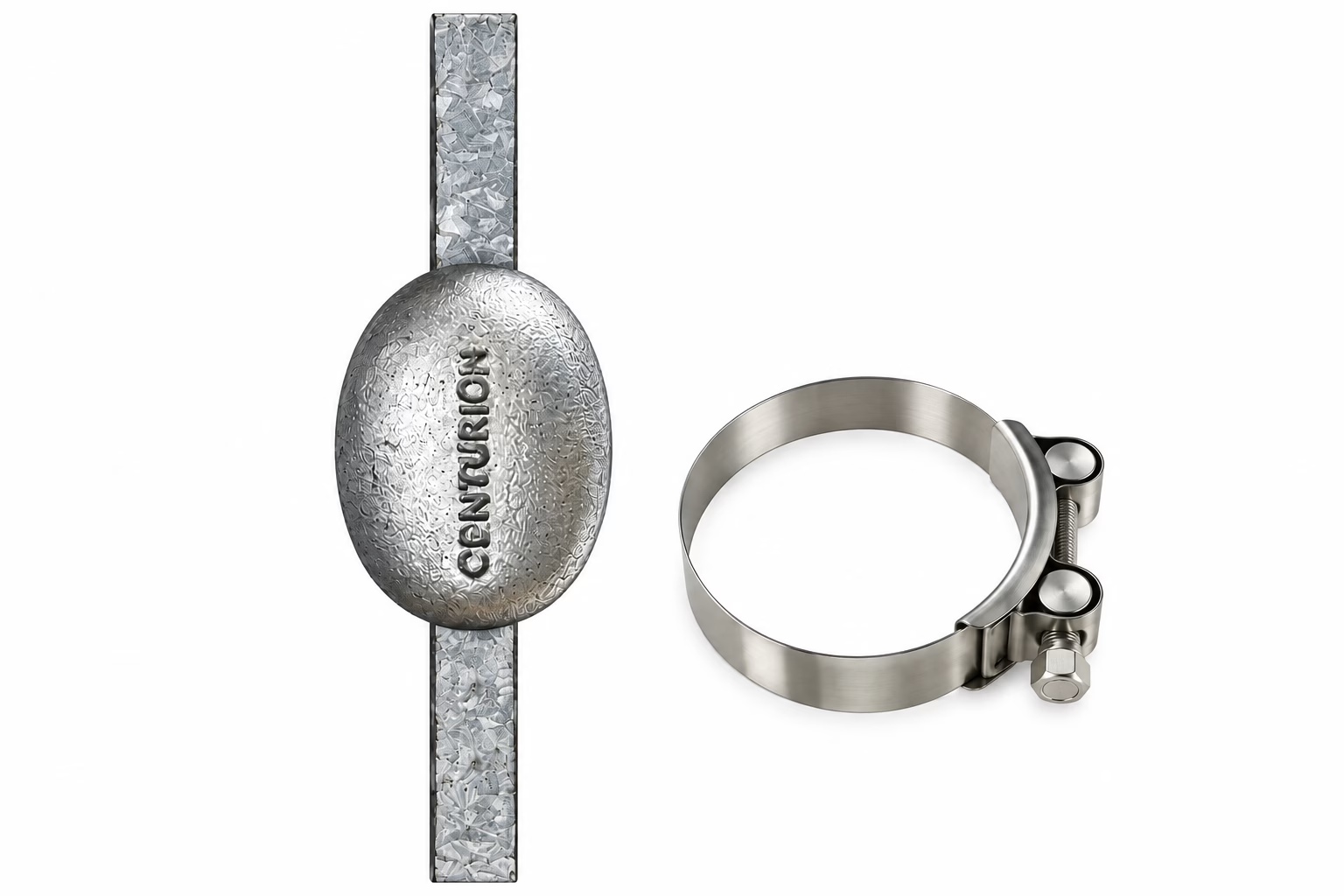
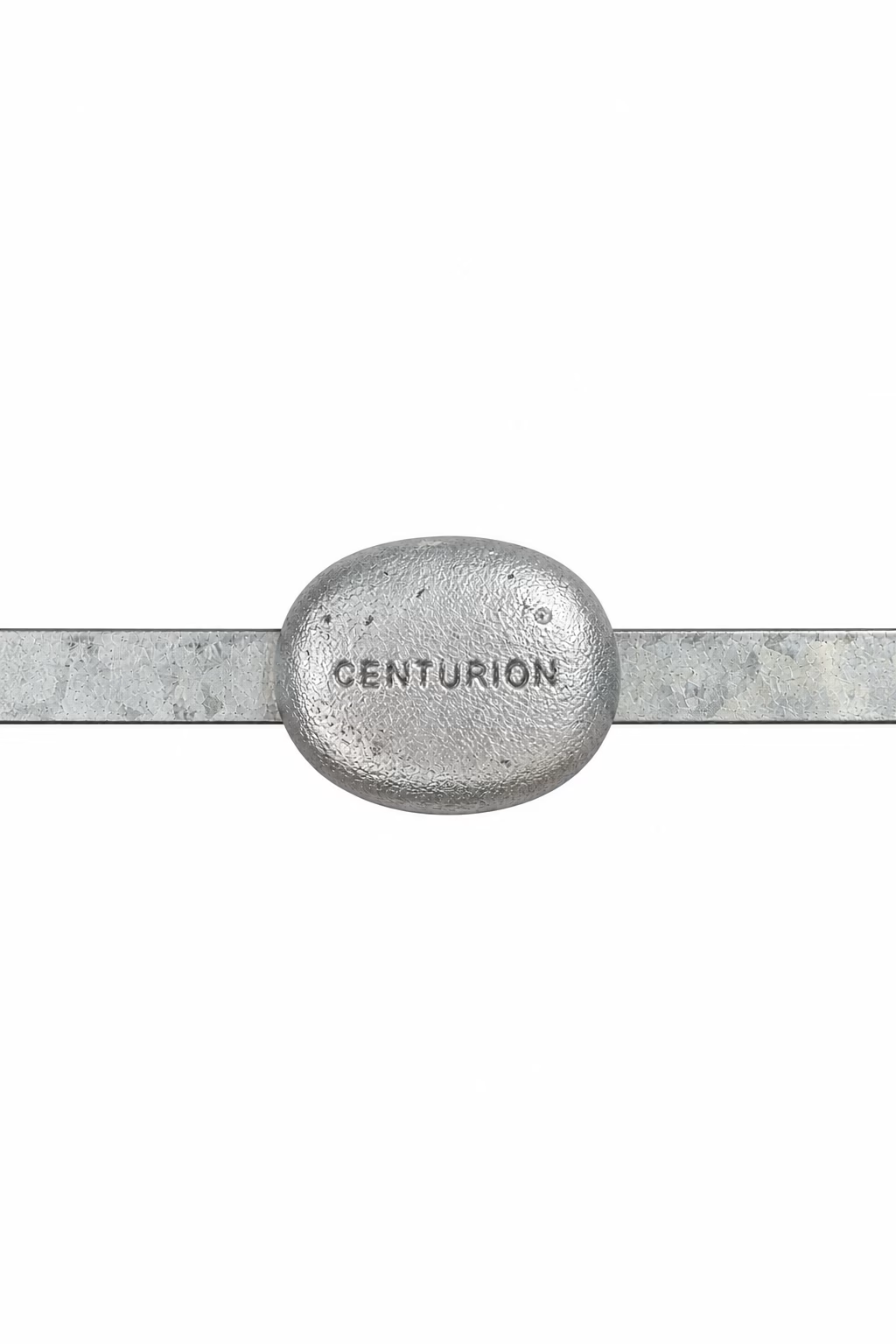
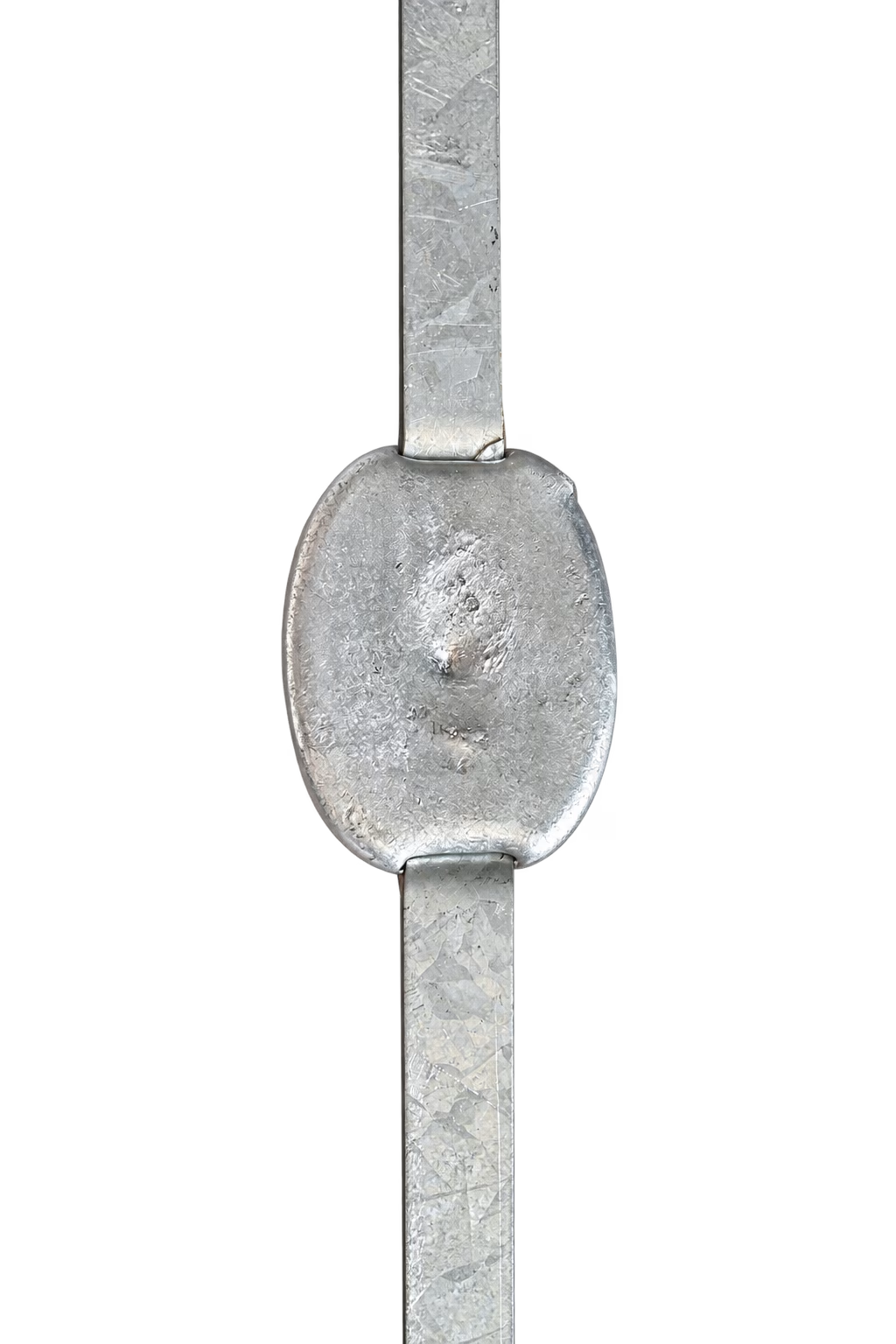
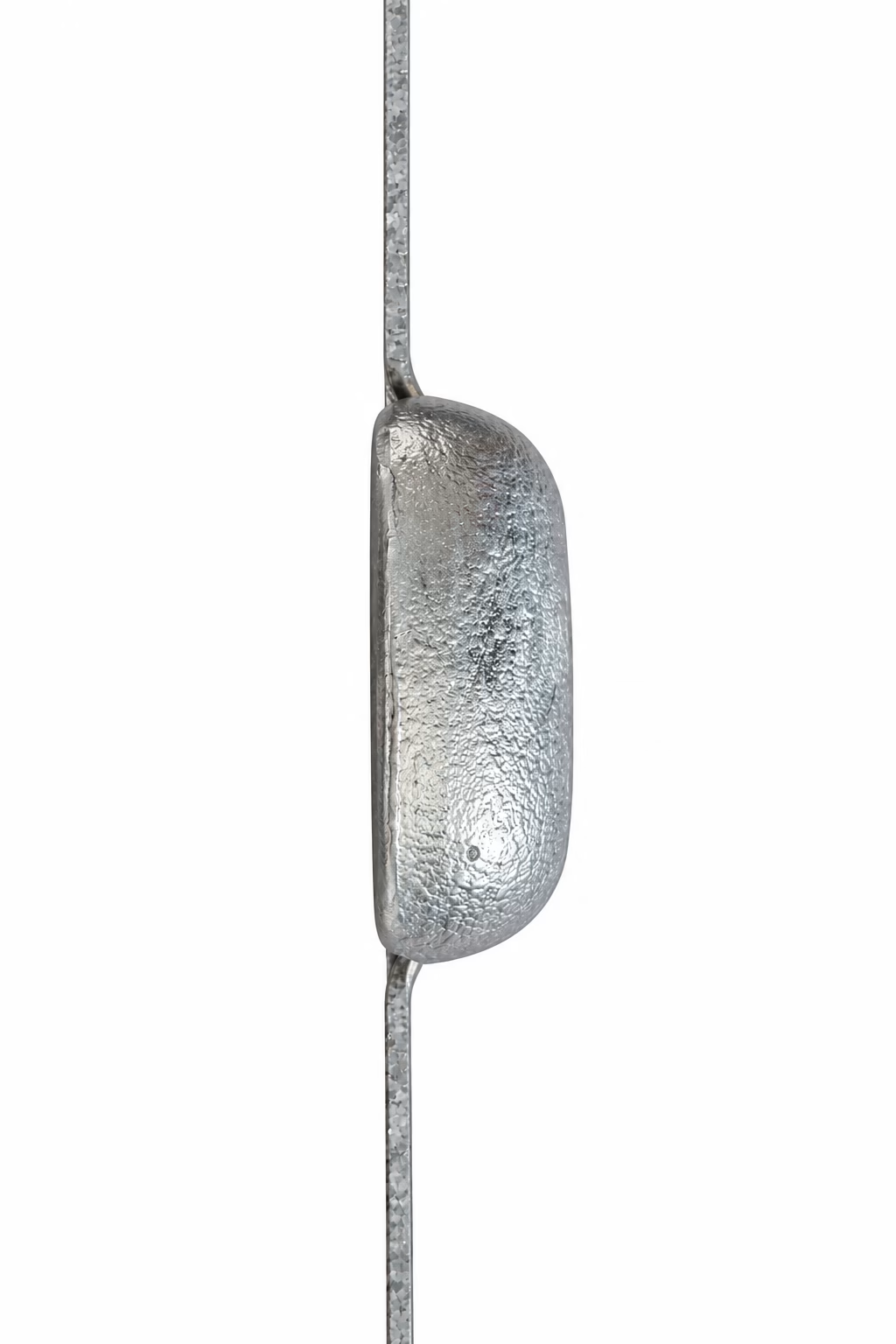
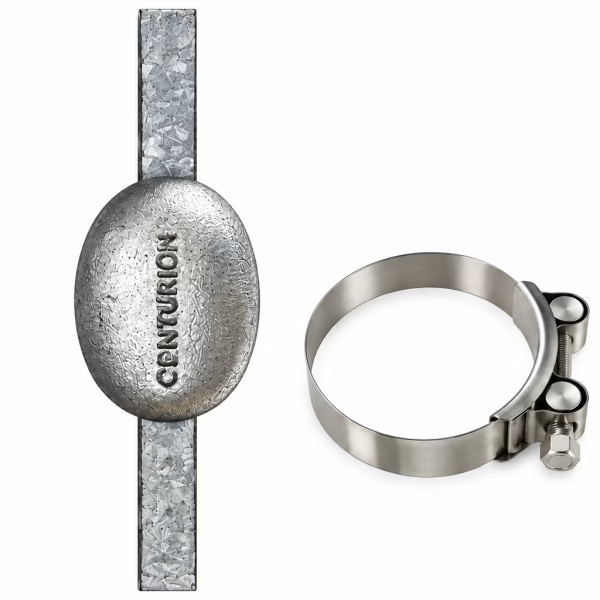
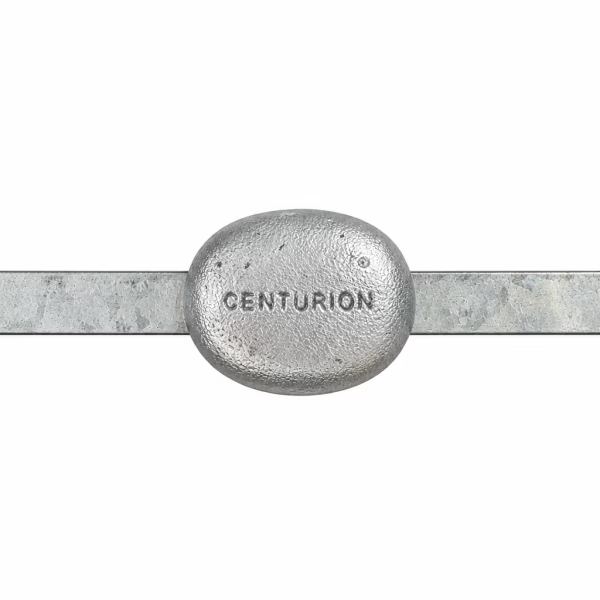
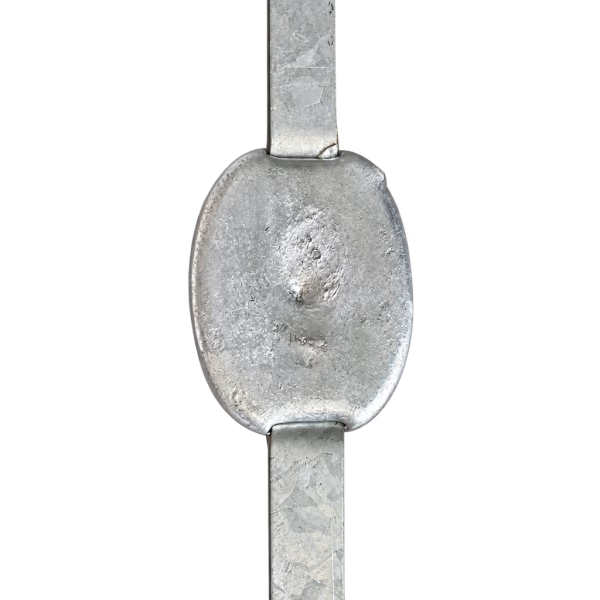
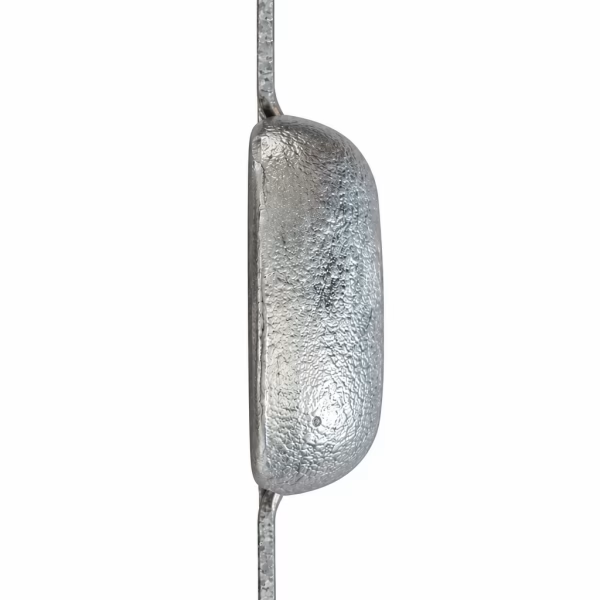
A sacrificial anode is a protective zinc alloy component that helps reduce corrosion of certain metal parts in your borehole pump. It gradually corrodes instead of the metal it protects. This process explains why it is called a sacrificial anode. In simple terms, the zinc sacrifices itself to help protect compatible pump components.
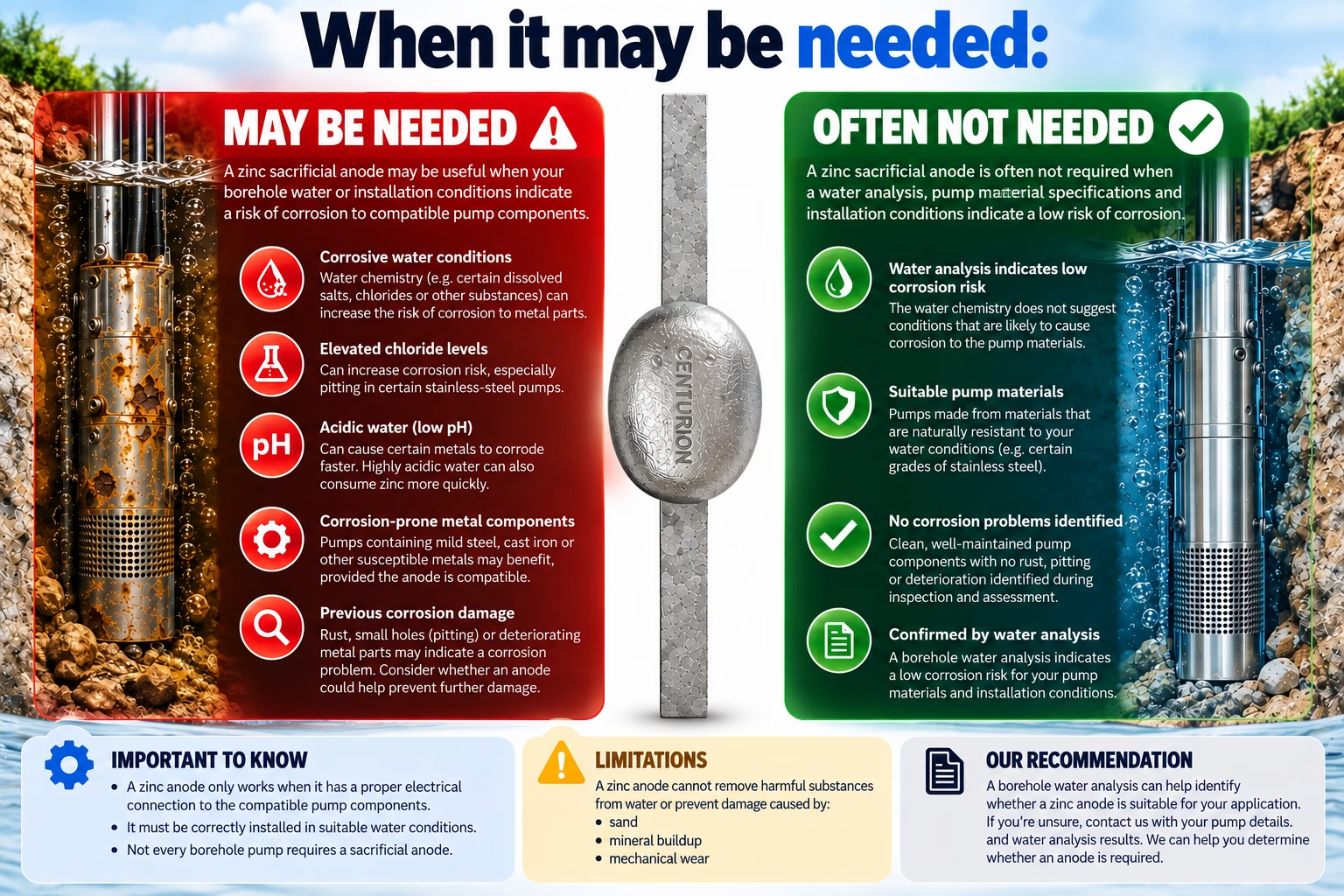
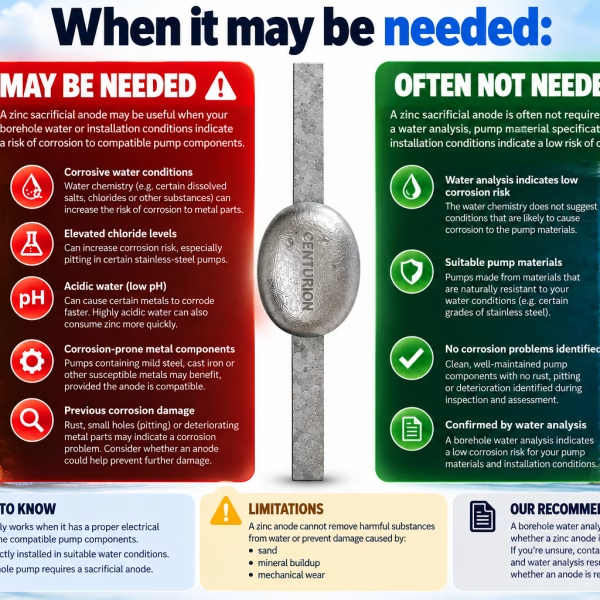
When Is a Zinc Sacrificial Anode Useful, and When Might You Need One?
Not all borehole water has the same chemical properties. Some water contains dissolved salts, minerals or other substances that can slowly damage metal parts. Even water that looks perfectly clean may contain substances that increase corrosion risks.
An anode may be useful in the following situations:
- Aggressive or corrosive borehole water: Certain water conditions can attack metal surfaces and cause deterioration. An anode may help protect compatible pump components against this damage.
- Elevated salt or chloride levels: Salty or chloride-rich water can increase corrosion risks, particularly in certain stainless-steel pumps. However, anode protection depends on the pump material and water conditions.
- Acidic water: Water with a low pH can cause certain metals to corrode faster. An anode may help in suitable conditions, although highly acidic water can consume zinc more quickly.
- Corrosion-prone metal components: Pumps containing mild steel, cast iron or other susceptible metals may also benefit from additional protection. However, the anode must be compatible with these materials.
- Previous corrosion damage: Rust, small holes (pitting) or deteriorating metal parts may indicate a corrosion problem. Therefore, consider checking whether an anode could help prevent further damage.
How Does It Protect Your Borehole Pump?
The zinc anode corrodes preferentially, helping to reduce corrosion of the metal it protects. However, it must have a proper electrical connection to compatible pump components and be installed correctly.
Over time, the zinc gradually wears away as it provides protection. Consequently, you will eventually need to replace the anode to maintain effective corrosion protection.
Benefits of a Zinc Sacrificial Anode
- Corrosion protection: Also, helps to reduce corrosion of compatible metal components in suitable water conditions.
- Longer pump lifespan: May help prevent premature metal deterioration and extend the life of protected components.
- Lower repair costs: Can also reduce the risk of costly corrosion-related repairs and premature pump replacements.
- Additional protection: Offers a practical way to protect your borehole pump when sacrificial-anode protection is suitable.
Does Every Borehole Pump Need One?
No, not every borehole pump requires a sacrificial anode. The need depends on water quality, pump materials as well as installation conditions. Additionally, the anode must suit the application to provide effective protection.
Not sure whether your borehole pump needs an anode?
A borehole water analysis can help identify conditions that may cause corrosion. If you’re unsure, contact us with your pump details and water analysis results. We can help you determine whether a zinc anode suits your application.
Borehole Water Analysis – Corrosion Risk Reference Table
| Water Parameter | Screening Levels | Why It Matters |
|---|---|---|
| pH (Acidity) | Below 6.5: Investigate. Below 5.5: Serious concern. | Acidic water can accelerate corrosion of steel, cast iron, zinc and copper alloys. |
| Chloride (Cl⁻) | Below 50 mg/L: Relatively low. 50–200 mg/L: Increasing concern. Above 200 mg/L: Greater concern. | Can cause pitting (small holes) and corrosion, especially in stainless steel. |
| Sulphate (SO₄²⁻) | Above 250 mg/L: Investigate alongside other water properties. | Can increase water conductivity and contribute to corrosion under certain conditions. |
| Electrical Conductivity (EC) | Above 1,500 µS/cm: Investigate. Above 3,000 µS/cm: Elevated concern. | Indicates dissolved minerals and salts that can allow corrosion currents to flow more easily. |
| Total Dissolved Solids (TDS) | Above 1,000 mg/L: Investigate. | High mineral content can contribute to corrosion or mineral buildup, depending on water chemistry. |
| Dissolved Oxygen (DO) | Even 1–2 mg/L can contribute to corrosion. Higher levels may increase corrosion rates. | Oxygen supports corrosion reactions, particularly in steel and cast iron. |
| Hydrogen Sulphide (H₂S) | Any detectable amount should be investigated. | Can attack certain metals and contribute to corrosion problems. |
| Free Carbon Dioxide (CO₂) | Above approximately 10–20 mg/L: Investigate together with pH and alkalinity. | Can make water more corrosive towards steel and other metals. |
| Iron (Fe) | Above 0.3 mg/L: Investigate the source. | May indicate naturally occurring iron or corrosion. Can also cause deposits and blockages. |
| Manganese (Mn) | Above 0.1 mg/L: Investigate possible deposits. | Can cause mineral buildup and blockages rather than directly attacking metal. |
| Hardness / Calcium | No single dangerous concentration. | Low hardness can accompany corrosive water, while high hardness can cause scale buildup. |
Important: These values are general screening guidelines, not fixed limits at which corrosion begins. The risk depends on the pump material, water temperature, oxygen levels and overall water chemistry. A zinc sacrificial anode is not automatically required when a value exceeds these levels.
Important Information of Zinc Sacrificial Anode
Zinc Sacrificial Anode must be compatible with the pump material and installed correctly to provide effective protection. They cannot remove harmful substances from water or prevent damage caused by:
- sand
- mineral buildup
- mechanical wear.
Give your borehole pump extra protection with a correctly selected sacrificial anode. This small investment may help prevent costly corrosion damage and protect your pump for longer.